

.png)
.png)
Damp Survey Cost Guide: Cost Breakdown of Damp Surveys in the UK
- May 10
- 4 min read
When buying, selling, or renting a property, understanding the condition of the building is crucial. One common issue that can affect properties across the UK, especially in the East Midlands, is damp. Damp can cause serious damage if left untreated, so a damp survey is an essential step in assessing a property’s health. But how much does a damp survey cost? In this guide, I’ll break down the costs involved in damp surveys, explain what you can expect, and help you make informed decisions.
Understanding the Damp Survey Cost Guide
A damp survey is a detailed inspection of a property to identify any signs of dampness, its causes, and the extent of damage. The cost of a damp survey varies depending on several factors, including the size of the property, the type of survey, and the surveyor’s experience.
What Influences the Cost?
Property Size: Larger homes require more time to inspect, which increases the cost.
Type of Survey: There are basic damp checks and more comprehensive surveys that include moisture readings and structural assessments.
Location: Prices can vary slightly depending on the region, but in the East Midlands, costs are generally competitive.
Surveyor’s Expertise: Experienced surveyors may charge more but provide detailed and reliable reports.
Typically, a basic damp survey for a standard-sized property can cost between £150 and £300. More detailed surveys, including full structural damp assessments, may range from £300 to £600 or more.

What Does a Damp Survey Include?
Visual inspection of walls, floors, and ceilings
Use of moisture meters to detect hidden damp
Identification of rising damp, penetrating damp, or condensation
Recommendations for treatment and repair
A written report detailing findings and advice
Breaking Down the Costs of a Damp Survey
To understand the cost better, let’s look at the components that make up the price of a damp survey.
1. Initial Inspection Fee
This is the basic charge for the surveyor to visit your property and conduct a visual inspection. It usually covers:
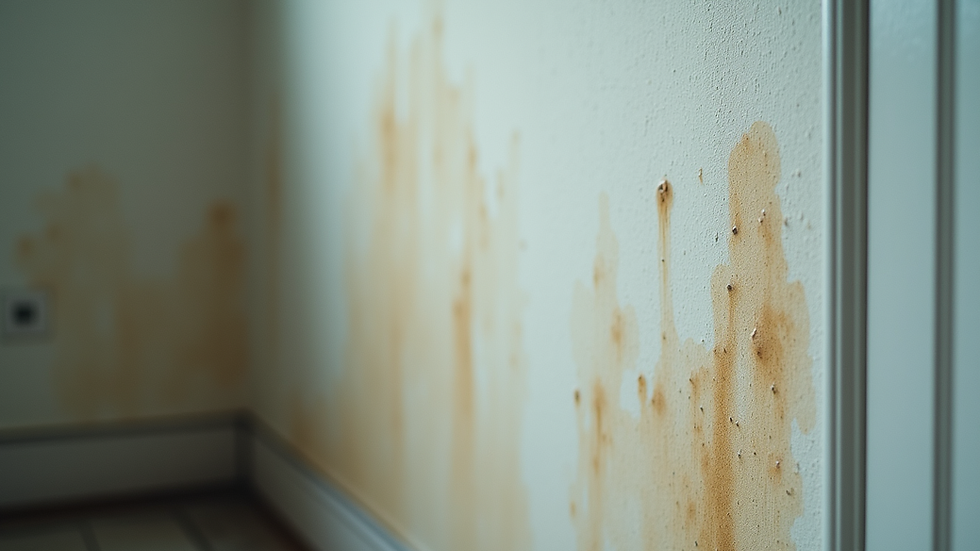
Checking visible signs of damp such as mould, stains, and peeling paint
Examining external walls and gutters for leaks
Assessing ventilation and heating systems
2. Moisture Testing
Many surveys include moisture meter readings to detect damp that isn’t visible. This equipment helps identify:
Rising damp from the ground
Penetrating damp from leaks or damaged walls
Condensation issues inside the property
Moisture testing can add £50 to £100 to the overall cost but is highly recommended for accuracy.
3. Detailed Reporting
After the inspection, the surveyor prepares a report. This document outlines:
The type and extent of damp found
Possible causes
Recommended treatments and repairs
Estimated costs for repairs (sometimes)
A clear, professional report is essential for buyers, sellers, or landlords to understand the property’s condition.
4. Additional Services
Some surveyors offer extra services such as:
Chemical testing for timber decay
Thermal imaging to detect hidden moisture
Follow-up visits after repairs
These services can increase the cost but provide a more comprehensive understanding of the property’s condition.
Is it Illegal to Sell a Property with Damp?
Many people wonder if selling a property with damp is against the law. The short answer is no, it is not illegal to sell a property with damp. However, there are important legal and ethical considerations.
Disclosure Obligations
When selling a property, you must disclose any known issues, including damp problems. Failure to do so can lead to legal disputes after the sale. Transparency is key to avoiding costly claims.
Impact on Property Value
Damp can significantly reduce a property’s value and deter potential buyers. A damp survey helps identify problems early, allowing sellers to address them or adjust the asking price accordingly.
Buyer Protection
Buyers should always commission a damp survey before purchasing. This protects them from unexpected repair costs and ensures they know exactly what they are buying.
How to Choose the Right Damp Surveyor in the East Midlands
Choosing a reliable surveyor is crucial for an accurate damp survey. Here are some tips to help you select the right professional:
Check Qualifications: Look for surveyors registered with recognised bodies such as RICS (Royal Institution of Chartered Surveyors).
Read Reviews: Customer feedback can give insight into the surveyor’s reliability and thoroughness.
Ask for Sample Reports: A good surveyor will provide examples of their reports so you know what to expect.
Compare Prices: Get quotes from several surveyors to ensure you get a fair price.
Local Knowledge: Surveyors familiar with the East Midlands will understand regional issues better.
Tips to Reduce Damp Survey Costs
While a damp survey is an important investment, there are ways to keep costs reasonable:
Combine Surveys: If you need other property surveys, ask if the surveyor offers package deals.
Prepare the Property: Clear clutter and ensure easy access to walls and floors to speed up the inspection.
Book Early: Scheduling surveys in advance can sometimes secure better rates.
Use Local Surveyors: Hiring someone local reduces travel costs and supports regional expertise.
If you want to learn more about the typical cost of a damp survey uk, visiting trusted local surveyor websites can provide up-to-date pricing and services.
What Happens After a Damp Survey?
Once you receive the damp survey report, you’ll have a clear picture of the property’s condition. Here’s what to do next:
Review the Findings: Understand the type and severity of damp.
Get Repair Quotes: Contact reputable contractors for estimates on recommended treatments.
Negotiate: Use the survey report to negotiate the property price or request repairs.
Plan Repairs: Schedule necessary work to prevent further damage.
Monitor: After repairs, keep an eye on the property to ensure the damp issue is resolved.
Taking these steps helps protect your investment and maintain a healthy living environment.
Final Thoughts on Damp Survey Costs and Property Decisions
Understanding the cost breakdown of damp surveys in the UK is essential for anyone involved in property transactions. A thorough damp survey protects you from unexpected expenses and helps maintain the value of your property. By choosing the right surveyor and knowing what to expect, you can make confident, informed decisions.
Investing in a damp survey is a smart move that pays off in peace of mind and long-term savings. Whether you are buying, selling, or renting, don’t overlook this important step in the property process.
If you want to ensure your property is free from damp issues or need expert advice, consider contacting a trusted local surveyor in the East Midlands. They can provide professional guidance tailored to your needs.


Comments