

.png)
.png)
Cavity Wall Tie Failure: What It Means for Your Property Survey
If a surveyor mentions cavity wall tie failure in a report, it can sound alarming. This guide explains what cavity wall ties are, why they fail, how surveyors identify the problem, and what it means for buyers, sellers and mortgage applicants in the East Midlands.
What Are Cavity Wall Ties?
Cavity walls consist of two separate layers of brickwork or masonry with a gap between them. This gap — the cavity — helps insulate the building and prevents water from passing through to the inner leaf. To keep both leaves of the wall connected and working together structurally, metal wall ties are built into the brickwork at regular intervals during construction. These ties span the cavity and hold the two skins of the wall together.
In the UK, cavity wall construction became standard from around the 1920s onwards and is found in the majority of homes built between then and the 1990s. This includes a large proportion of the housing stock across Nottingham, Derby, Leicester, Mansfield and the surrounding East Midlands areas.
Why Do Cavity Wall Ties Fail?
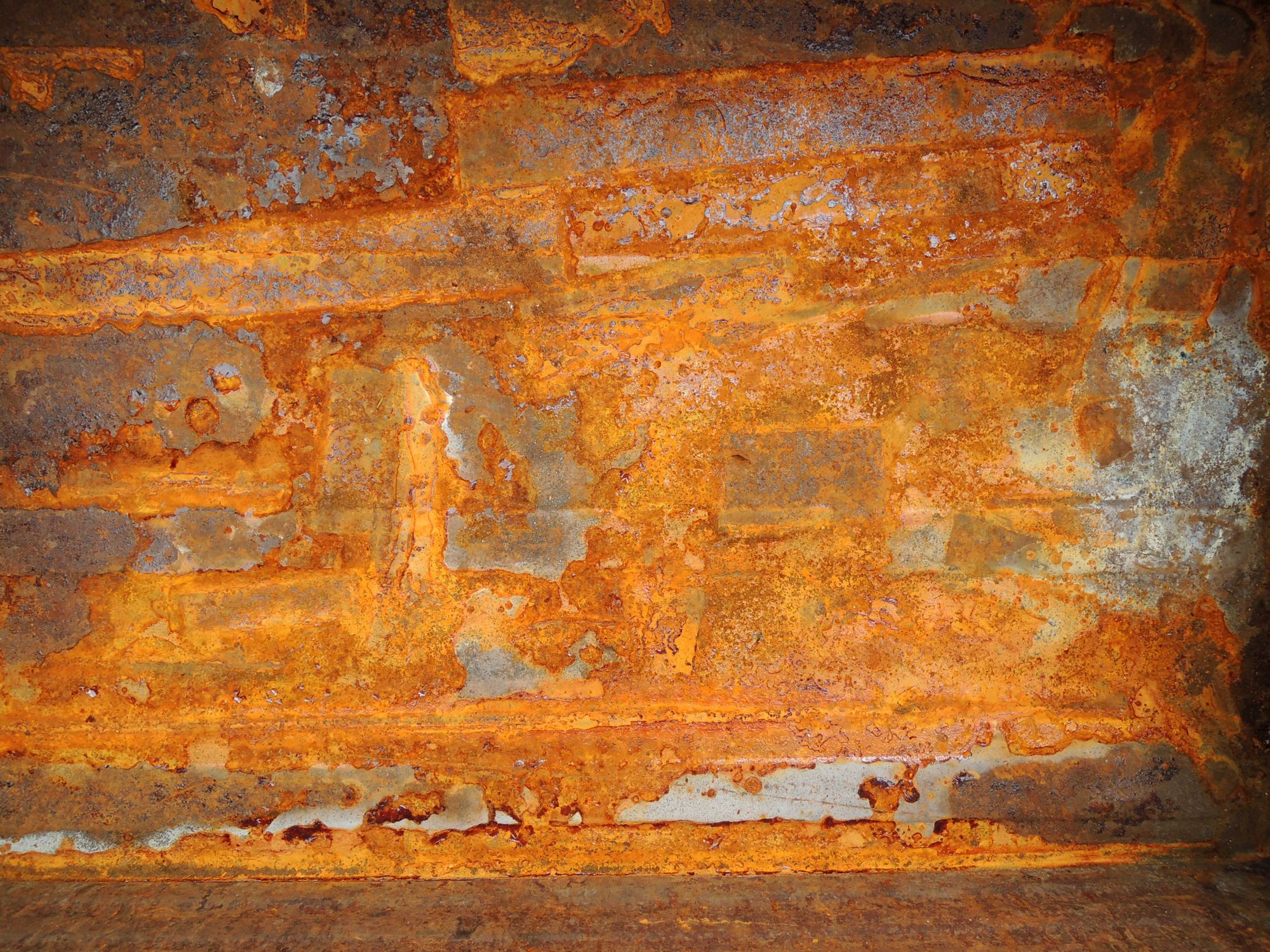
The most common cause of cavity wall tie failure is corrosion. Early wall ties were made from mild steel, which corrodes over time when exposed to moisture within the cavity. As the metal rusts, it expands — which can cause the mortar around it to crack and the outer leaf of brickwork to be pushed outward.
Galvanised steel ties introduced from the 1970s onwards improved corrosion resistance, but even these can deteriorate over time, particularly in areas with high moisture exposure. Common causes of accelerated failure include:
Homes built before 1980 using non-galvanised mild steel ties
Properties in exposed locations subject to high rainfall
Cavity walls filled with insulation that holds moisture against the ties
Properties where cavity wall insulation has been incorrectly installed
Signs of Cavity Wall Tie Failure
Cavity wall tie failure may not always be visible from the outside, but there are several warning signs that a surveyor will look for during inspection:
Horizontal cracks running along mortar joints at regular intervals, typically every third or fourth course of bricks
Bulging or bowing of the outer leaf of the wall
Visible gaps or stepped cracks at the corners of window or door openings
In advanced cases, the outer leaf may lean or appear to separate from the rest of the building
How Is Cavity Wall Tie Failure Identified?
Surveying for cavity wall tie failure typically involves one or more of the following approaches:
A visual inspection is the starting point. An experienced surveyor will look for the characteristic horizontal cracking pattern that indicates corroding ties. The pattern, interval and location of the cracks can help indicate whether tie failure is the likely cause.
Where the visual evidence is unclear, a surveyor or specialist may use a metal detection device to locate the ties within the wall and assess their condition. In some cases, a borescope — a small camera on a flexible cable — may be inserted into a drilled hole to directly inspect the ties and the condition of the cavity.
A RICS Level 3 Building Survey is the most thorough survey available and provides detailed assessment of structural defects including cavity wall tie issues. A Level 2 survey will also identify visible signs and recommend specialist investigation where necessary.
Cavity Wall Tie Failure in East Midlands Housing
The East Midlands has a large proportion of housing built between the 1930s and the 1980s, including extensive areas of semi-detached and terraced properties across Nottingham, Derby, Leicester, Mansfield and surrounding towns. Many of these homes were built with mild steel cavity wall ties that are now approaching or past their expected service life. This makes cavity wall tie inspection a particularly relevant consideration for buyers of properties built before 1985 across the region.
What Happens Next If Ties Are Found to Be Failing?
If cavity wall tie failure is confirmed, the remedy is to install new wall ties. This involves drilling through the outer leaf at regular intervals and injecting helical stainless steel ties to re-bond the two leaves. The procedure is carried out by a specialist contractor and typically takes one to two days for a standard semi-detached property.
Cavity Wall Tie Failure and Mortgages
Some mortgage lenders will decline to lend on properties where cavity wall tie failure has been identified until remedial work has been completed and signed off by a specialist. Others may require a specialist report and quotation before proceeding. If you are buying a property where the survey has flagged possible cavity wall tie issues, it is important to discuss this with your mortgage broker before proceeding. Negotiating a price reduction to cover the cost of works is a common approach.
Frequently Asked Questions
Is cavity wall tie failure dangerous?
In its early stages, cavity wall tie failure is a maintenance issue rather than an immediate structural risk. In advanced cases where the outer leaf is significantly bowed or separated, it may become a structural concern. A specialist assessment will determine the severity and urgency of any required work.
Can I buy a house with cavity wall tie failure?
Yes, in many cases. The key is understanding the cost and scope of the remediation required and ensuring your mortgage lender is willing to proceed. Negotiating a price reduction to cover the works is a common and practical approach.
How long does tie replacement take?
A standard tie replacement programme for a semi-detached property typically takes one to two days. The house remains habitable throughout the works.
Will tie failure recur after replacement?
Modern stainless steel wall ties have a significantly longer service life than the original mild steel versions and are not subject to the same corrosion risk. A specialist contractor will provide a guarantee for the works carried out.
Book a Survey Before You Buy
If you are buying a property built before 1985 in Nottingham, Derby, Leicester, Coventry, Mansfield or the wider East Midlands, a NIVEK Level 3 Building Survey can assess the property's structural condition in detail, including any signs of cavity wall tie failure. Call us on 0115 772 0441 or email enquiries@niveksurveyors.com to find out more.


Comments