

.png)
.png)
EPC Survey: What Buyers and Sellers Need to Know
If you are buying or selling a property in the UK, you have probably come across the term EPC. But what exactly is an EPC survey, and why does it matter for your property transaction? This guide explains what an EPC involves, how ratings work, when one is legally required, and what a poor rating might mean for buyers, sellers and mortgage applicants.
What Is an EPC?
An Energy Performance Certificate, or EPC, is a document that rates a property's energy efficiency on a scale from A to G. A is the most efficient and G is the least. The certificate also shows estimated energy costs and makes recommendations for improving the property's energy performance.
An EPC is produced by a qualified assessor who carries out a visual inspection of the property. This is not the same as a full structural survey. The assessor looks at fixed elements such as insulation, heating systems, windows and doors, but does not carry out any intrusive checks.
What Does an EPC Assessment Involve?
During an EPC assessment, the assessor will typically inspect:
The type and thickness of wall insulation
Loft insulation levels
The type of boiler and heating controls
The type of windows — single, double or triple glazed
Any renewable energy systems such as solar panels
The property's floor area and construction type
The assessor uses this information to calculate a rating using government-approved software. The assessment usually takes between 30 minutes and an hour for a standard property.
EPC Ratings Explained
EPC ratings run from A to G, where A represents the highest efficiency and G the lowest. Most UK homes built before 1990 fall into the D or E band. Properties with solid walls and no insulation often score lower still.
A (92+ points) — Highly efficient, very low running costs
B (81 to 91 points) — Efficient, above average performance
C (69 to 80 points) — Average to good efficiency, typical for modern homes
D (55 to 68 points) — Below average, the most common rating for older UK housing
E (39 to 54 points) — Less efficient, higher running costs
F (21 to 38 points) — Poor efficiency, significant improvement required
G (1 to 20 points) — Very poor efficiency

When Is an EPC Legally Required?
In England and Wales, an EPC is legally required when selling a property, when renting a property out to tenants, and when a new property is built. Since 2020, rented properties must have a minimum EPC rating of E to be legally let. Buyers are not legally required to obtain a new EPC when purchasing, as the seller is responsible for providing one — but it is an important document to review before completing your purchase.
How EPC Ratings Affect Buyers and Sellers
For sellers, a low EPC rating can make a property less attractive to buyers, particularly those who are mindful of energy bills. Improving the rating before marketing — for example by adding loft insulation or upgrading to a more efficient boiler — can support the asking price and broaden your pool of potential buyers.
For buyers, the EPC provides useful context about likely running costs and the scale of any improvement works required. A property with an F or G rating may be cheaper to buy, but the ongoing energy costs and the cost of improvements should be factored carefully into your decision.
EPC Ratings and Mortgage Lending
Mortgage lenders are paying increasing attention to EPC ratings. Some lenders now offer preferential rates on properties with higher EPC ratings. At the same time, some lenders have indicated they may restrict lending on properties with very poor ratings in the coming years. If you are buying a property with a low EPC rating, it is worth checking with your mortgage broker whether this affects the product available to you.
What to Do If the EPC Rating Is Poor
If you are buying a property with a low EPC rating, there are several steps worth considering:
Ask the seller to provide any existing quotes for insulation or heating upgrades
Factor the cost of improvements into your offer or budget
Check whether government schemes such as the Great British Insulation Scheme could help fund improvements
Ask your surveyor to note any elements likely to affect energy efficiency in the survey report
How a RICS Survey Complements an EPC
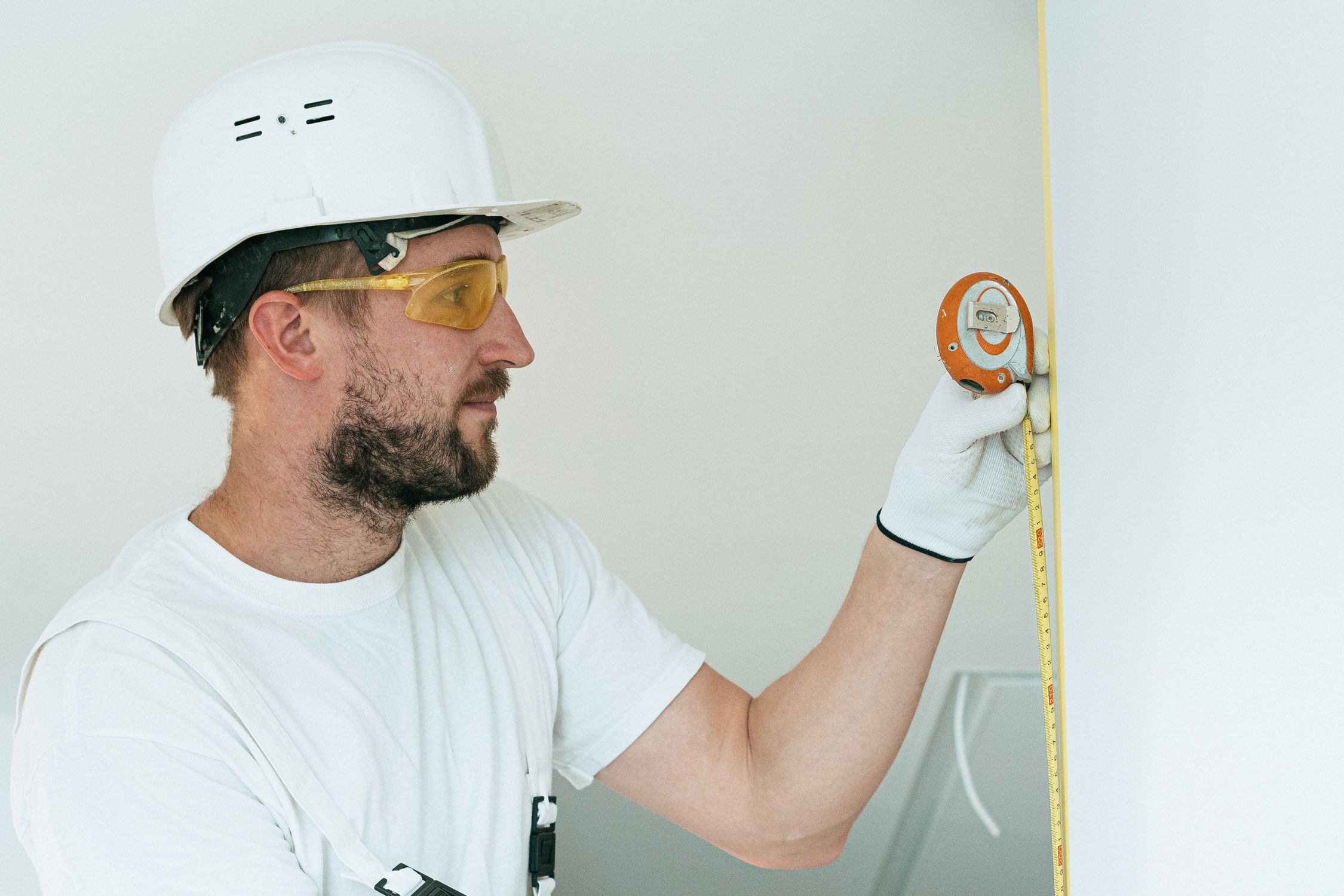
An EPC is not a structural survey. It does not identify defects, hidden problems or items requiring repair. A RICS property survey, such as a Level 2 or Level 3 Building Survey, assesses the physical condition of the property in much greater depth.
If the EPC highlights poor insulation or an inefficient heating system, a RICS surveyor can assess whether these issues are simply in need of upgrading, or whether there are underlying defects such as missing cavity wall insulation, poorly maintained pipework, or a boiler in need of replacement. Taken together, an EPC and a RICS property survey give you a much clearer picture of both the running costs and the physical condition of the property you are buying.
Frequently Asked Questions
How long does an EPC last?
An EPC is valid for ten years. If the property already has a valid EPC, the seller may not need to commission a new one unless significant improvements have been made.
Can I sell a property without an EPC?
No. An EPC must be provided to prospective buyers when a property is marketed for sale. Failure to do so can result in a fine.
Does an EPC include a structural inspection?
No. An EPC assessor looks at energy-related features only. A separate RICS survey is required for a full assessment of the property's structural condition.
Can I improve my EPC rating before selling?
Yes. Common improvements include adding loft insulation, upgrading the boiler, fitting double glazing and installing energy-efficient lighting. The EPC certificate includes a recommended actions list showing which improvements would have the greatest impact.
Ready to Book a Survey?
If you are buying a property in Nottingham, Derby, Leicester, Coventry, Mansfield or the wider East Midlands, NIVEK Surveying Services can carry out a RICS Level 2 or Level 3 Building Survey to give you a full picture of the property's condition alongside your EPC assessment. Call us on 0115 772 0441 or email enquiries@niveksurveyors.com to discuss the right survey for your purchase.


Comments